If you want a west Austin neighborhood where outdoor time feels built into the day, Lost Creek deserves a closer look. Many buyers are searching for that balance of established homes, usable green space, and optional club amenities without giving up a residential feel. In Lost Creek, that mix shows up in the trails you can use, the parks woven into the neighborhood, and the home features that support easy entertaining and everyday comfort. Let’s dive in.
Why Lost Creek Feels Different
Lost Creek is an established west Austin community along Barton Creek, with more than 1,200 single-family and condominium households. The neighborhood began in the 1970s as a master-planned community of custom homes set among hills and knolls along Lost Creek Boulevard.
That history still shapes the feel of the area today. Instead of reading like a newer tract subdivision, Lost Creek tends to feel mature, residential, and locally rooted.
Another detail that stands out is how the community is organized. Lost Creek does not have a homeowners association, and the voluntary neighborhood association supports architectural control, social events, community improvement projects, and advocacy, while the Limited District maintains parks, trails, and deed-restriction enforcement.
Lost Creek Trails and Parks
For many buyers, daily livability starts outside the front door. In Lost Creek, that means access to neighborhood parks and trails that support morning walks, casual outings, and time outdoors close to home.
The Lost Creek Limited District maintains several local amenities, including:
- Lost Creek Boulevard Park
- Boulder Trail Park
- Whitemarsh Valley Nature Trail
- The greenbelt at Barton Creek
- The district office and community center
Residents may also rent the gazebos at the two parks. The Limited District also funds security patrols at the Barton Creek greenbelt trail, which is a meaningful part of how these outdoor spaces are managed.
Neighborhood-Scale Outdoor Access
One of Lost Creek’s strengths is that outdoor access happens on more than one level. You have smaller neighborhood parks and trail assets for quick, everyday use, and you also have access to a much larger public recreation system nearby.
The Barton Creek Greenbelt, managed by the City of Austin, offers more than 12 miles of recreation, including a main 7.5-mile trail. The greenbelt is known for hiking, biking, and swimming holes, giving Lost Creek residents a wider outdoor backdrop beyond the neighborhood itself.
Club Access and What It Means
When people talk about Lost Creek lifestyle, club amenities are often part of the conversation. It is important to separate what is public from what is private.
The parks, neighborhood trail assets, and Barton Creek greenbelt access are part of the district and city systems. Club and golf amenities, by contrast, are membership-based.
Westlake Country Club Overview
The former Lost Creek Country Club is now Westlake Country Club. The club has tied its new name to a major capital improvement and course transformation project.
According to the club, the property is about 20 minutes from downtown Austin and includes a redesigned par-71 golf course, multiple pools, a poolside restaurant and bar, a fitness center, racquet sports, and an active social calendar. The membership materials also highlight an 18-hole championship course, swimming, fitness, three restaurants, and family-oriented programming.
For buyers, the key takeaway is simple. Lost Creek offers access to a neighborhood setting with nearby membership-based club amenities, which can add another layer to how you spend evenings and weekends.
Everyday Living in Lost Creek
A neighborhood can look great on paper and still fall short in real life. Lost Creek tends to appeal to buyers because the day-to-day rhythm feels practical as well as scenic.
You can picture a morning walk or run on neighborhood trails, time at the park later in the day, and optional golf, tennis, swim, or dining through club membership on a weekend. That kind of routine fits buyers who want recreation close to home rather than as a special trip across town.
The neighborhood association also contributes to that sense of local connection. In addition to advocacy and architectural support, the association hosts quarterly membership meetings, an annual garage sale, a Fourth of July parade, and active Home & Garden and Moms’ clubs.
Homes That Support the Lifestyle
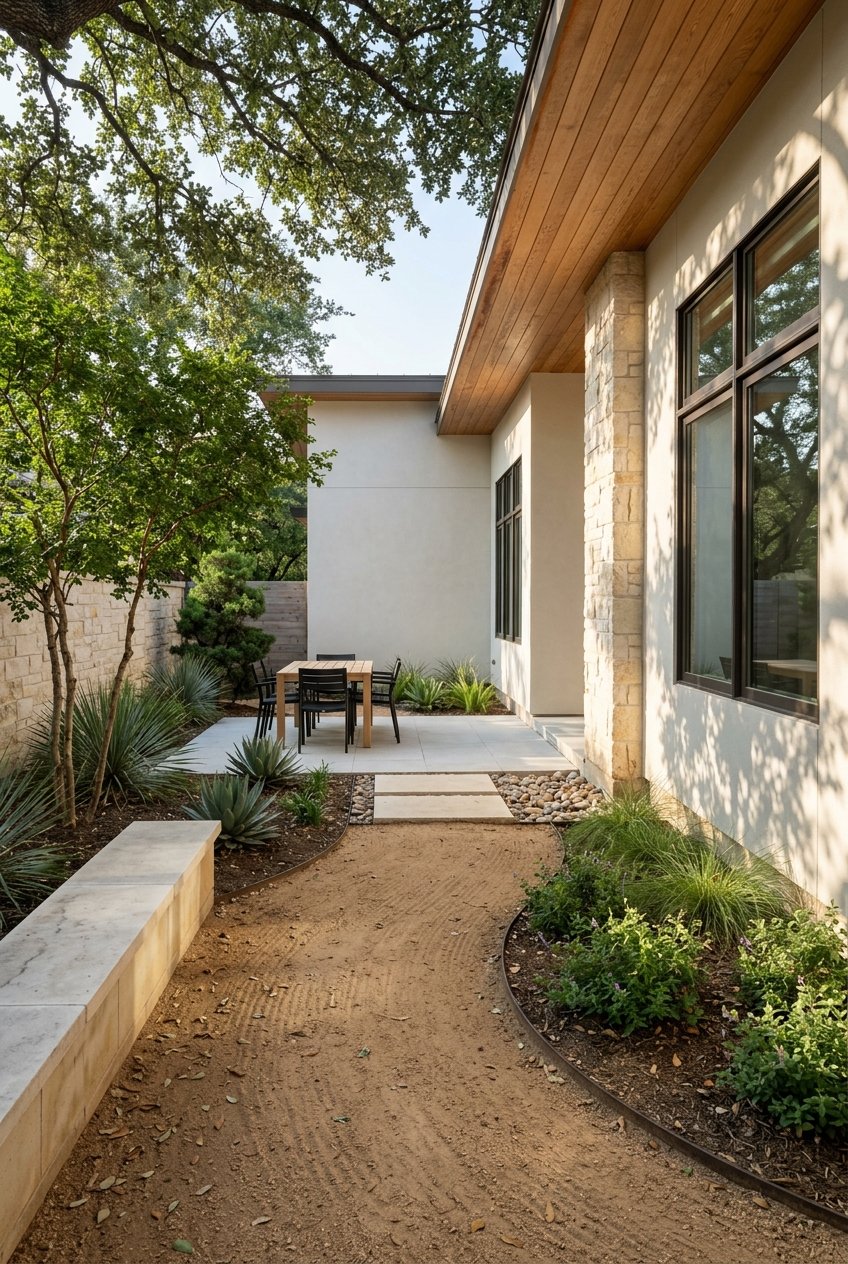
Lost Creek homes often match the way buyers want to live in west Austin. Recent public listings in and around the neighborhood repeatedly highlight outdoor spaces and flexible interiors that support both quiet daily use and easy entertaining.
Common exterior features include:
- Private back yards
- Covered and uncovered patios
- Pools and spas
- Outdoor fireplaces or fire pits
- Fenced yards
- Mature trees
- Hill Country views
Those features matter because they extend the living space beyond the home itself. In a neighborhood where trails, parks, and club access are part of the draw, strong indoor-outdoor flow feels especially aligned with the setting.
Flexible Interiors for Modern Needs
Inside, many homes show layouts designed for flexibility. Public listings commonly note multiple living rooms, formal and informal dining areas, dedicated offices or studies, media or home theater rooms, main-level primary suites, and floor plans described as living like a single-story home.
That kind of flexibility can be especially appealing if you work from home, host guests often, or simply want spaces that can adapt over time. It supports a practical lifestyle without losing the custom-home character that draws many buyers to Lost Creek in the first place.
An Established, Custom Feel
Lost Creek is not a one-note neighborhood. Its deed restrictions are intended to preserve residential character while allowing flexibility and creativity, and the neighborhood notes that many homes have been enlarged and enhanced over time.
That is a useful distinction if you are comparing Lost Creek with newer communities. Instead of rows of similar homes, you are more likely to find an established setting with custom character and houses that have evolved with changing owner needs.
For buyers, that can mean more variety in layout, lot use, and architectural feel. For sellers, it can mean a neighborhood story that goes beyond square footage and speaks to long-term livability.
What Buyers Should Keep in Mind
If Lost Creek is on your shortlist, it helps to evaluate the neighborhood through a lifestyle lens. The right home here is not just about the number of bedrooms or the finish level. It is also about how close you want to be to trails, parks, greenbelt access, and membership-based club amenities.
A few smart questions to ask as you compare homes include:
- How important is direct or nearby access to trails and parks?
- Do you want a home set up for backyard entertaining?
- Would club membership be part of your routine?
- Do you need flexible interior space for work, guests, or hobbies?
- Are you drawn to established homes with custom character and mature trees?
These are the details that shape everyday satisfaction after move-in. In a neighborhood like Lost Creek, lifestyle fit often matters just as much as the home itself.
Why Lost Creek Appeals to West Austin Buyers
Lost Creek offers a combination that can be hard to replicate. You get an established west Austin setting, neighborhood-maintained parks and trails, access to the larger Barton Creek Greenbelt, and the option of private club amenities nearby.
Just as important, the housing stock often supports that lifestyle with generous lots, mature landscaping, flexible interiors, and outdoor living spaces. For many buyers, that adds up to a neighborhood that feels both active and comfortable, with strong appeal for everyday living.
If you are thinking about buying or selling in Lost Creek, local context matters. The details that define value here often go beyond finishes and price per square foot and come down to setting, access, and how a home supports the way you want to live. When you are ready to explore Lost Creek with a local, lifestyle-focused strategy, connect with VIBE Real Estate Group.
FAQs
What outdoor amenities are available in Lost Creek?
- Lost Creek includes Lost Creek Boulevard Park, Boulder Trail Park, Whitemarsh Valley Nature Trail, and access to the Barton Creek greenbelt maintained through local district and city systems.
Is Lost Creek Country Club open to the public?
- The former Lost Creek Country Club, now Westlake Country Club, offers membership-based amenities rather than public access.
Does Lost Creek have a homeowners association?
- Lost Creek does not have an HOA, and the area is supported by a voluntary neighborhood association along with a Limited District that maintains parks, trails, and deed-restriction enforcement.
What types of homes are common in Lost Creek?
- Lost Creek homes often feature private yards, patios, pools, mature trees, flexible living spaces, dedicated offices, and layouts designed for both everyday function and entertaining.
Why do buyers consider Lost Creek in west Austin?
- Buyers are often drawn to Lost Creek for its established custom-home feel, neighborhood parks and trails, access to the Barton Creek Greenbelt, and nearby optional club amenities.