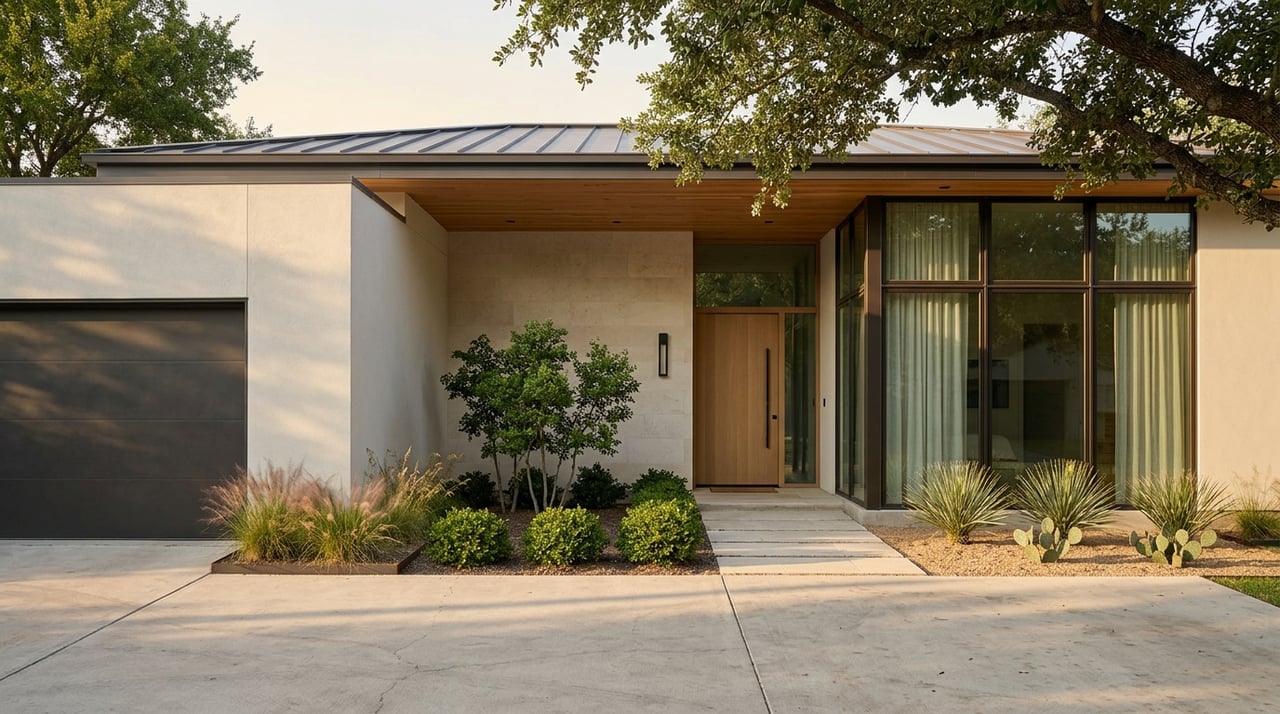
If you own a home in Tarrytown, the question is not just what you can do to the property. It is what makes the most sense before you spend real time and money. In an older Austin neighborhood, a simple refresh, a larger addition, and a full rebuild can lead to very different timelines, approvals, and resale outcomes. This guide will help you weigh those paths so you can move forward with more clarity. Let’s dive in.
Why Tarrytown decisions are different
Tarrytown has older housing stock, with residential development dating back to the 1910s in this part of Austin. That matters because older homes are more likely to raise questions about zoning, tree protection, historic review, floodplain issues, or legal-lot status before work begins.
In practical terms, that means your decision is rarely just about design preference. The right path often depends on how much of the existing home works for you now, what the site can support, and how much approval time you are willing to take on.
What a remodel usually means in Austin
A cosmetic remodel or quick refresh is often the fastest, least complicated option when your floor plan already works. In Austin, finish work like painting, papering, tiling, carpeting, cabinets, and countertops is generally exempt from building permits, and some same-size door replacements can also be exempt.
Even when a permit is not required, the work still has to comply with building codes and City ordinances. That is an important distinction if you are preparing a Tarrytown home for sale and want to avoid surprises later.
For smaller kitchen or bathroom projects, Austin also offers Express Permits with a typical one-business-day turnaround. The scope is limited, though. Those permits do not cover moving walls or relocating plumbing fixtures.
When a refresh makes the most sense
A refresh can be the right choice when the home shows well structurally but feels dated or tired. If your layout functions for today’s buyers and the main goal is to improve presentation, this path can remove obvious objections without creating a long construction timeline.
That aligns with broader remodeling data as well. The 2025 Remodeling Impact Report found that 46 percent of buyers are less willing to compromise on home condition than in prior years, which supports the value of visible, practical updates before listing.
Projects with stronger resale efficiency
Public remodeling data suggests smaller, visible projects often recover more of their cost than large expansions. In the 2025 Remodeling Impact Report, a new steel front door showed 100 percent cost recovery, closet renovation 83 percent, new fiberglass front door 80 percent, new vinyl windows 74 percent, and new wood windows 71 percent.
The same report showed 60 percent cost recovery for both a complete kitchen renovation and a minor kitchen upgrade, 56 percent for adding a new bathroom, 54 percent for a new primary suite, and 50 percent for a bathroom renovation. The takeaway for many Tarrytown owners is simple: if resale is part of your thinking, targeted improvements may outperform a much larger project.
When an addition may be worth it
An addition or major remodel makes more sense when the house is missing a key function. That could mean a needed primary suite, an extra bathroom, or space that helps the home compete better in the market.
In Austin, Residential Plan Review covers additions, interior remodels, new construction, and demolition of single-family homes. Public review times are listed as 15 business days for new construction and additions, and 5 business days for interior remodels.
A zoning review is required for new construction, additions, remodels, and changes in residential use. Tree review is required if there are trees 19 inches or larger on or adjacent to the property. Historic review is required if the structure is 45 years old or older and the exterior is being modified or demolished, or if the property sits in a historic district.
One detail many owners miss
In Austin, raising the roof is treated as an addition, not an interior remodel. That can change your timeline and approval path in a meaningful way.
For Tarrytown homeowners, this is one reason it helps to define the scope early. A project that sounds like a remodel in everyday conversation may function like a larger addition in the City review process.
Signs an addition may be the right path
An addition may be worth exploring if:
- Your lot can support the expansion
- The home lacks a key space buyers expect
- The existing structure is otherwise worth keeping
- You are comfortable with a longer approval process
- Trees, setbacks, and exterior changes do not create major roadblocks
When those pieces line up, an addition can improve livability and resale appeal without taking on the full complexity of a teardown.
When a rebuild becomes the better answer
Sometimes the existing structure is simply too small, too compromised, or too awkward to improve economically. In those cases, a teardown and rebuild may be the cleaner long-term solution.
That said, this is usually the highest-friction option from a process standpoint. In Austin, a total demolition permit requires a pre-demolition inspection and adjacent-property notification, and demolition cannot begin until the notification window of at least five days has closed.
If the structure is 45 years old or older, it also requires Historic Preservation Office review. Protected trees can trigger separate tree review if demolition or new construction affects them. Even partial demolition of more than 50 percent of exterior walls can trigger demolition-notification rules.
Why rebuilds take more patience
A rebuild can solve layout and function problems in one move, but it often adds more layers before construction even starts. In Tarrytown, older homes and mature lots make those layers especially relevant.
For resale-focused owners, that friction matters. Larger remodeling and rebuilding projects do not always produce the strongest cost recovery, so the decision should be based on your full picture, not just a hope that newer automatically means better.
A simple framework for choosing your path
If you are stuck between remodel, add-on, and rebuild, start with three questions.
Does the current floor plan still work?
If the answer is yes, a refresh may be enough. Cosmetic updates can improve buyer perception, shorten prep time, and address condition concerns without changing the bones of the home.
Is the house missing a key function?
If the answer is yes, an addition may deserve a closer look. This is often the middle ground when you want to keep the home but fix a meaningful gap in how it lives.
Is the existing home too costly to fix well?
If the answer is yes, a rebuild may be worth exploring. This path makes the most sense when the current structure creates more limitations than value.
Start with feasibility before design
Before you spend money on drawings or demolition plans, Austin offers complimentary 20-minute residential zoning and building-code appointments. These meetings can help you sanity-check setbacks, impervious cover, structural questions, and permit scope with City staff.
For a Tarrytown owner, that can be one of the smartest first steps. It gives you a grounded read on what is realistic before you commit to a bigger budget or timeline.
How to think about resale in Tarrytown
If your end goal is a sale, the smartest project is not always the biggest one. In established neighborhoods, the most resale-efficient improvements are often the ones that solve visible problems, improve condition, and make the home easier for buyers to say yes to.
The same remodeling report found that REALTORS most often recommended sellers paint the entire home, paint one room, and replace the roof. They also reported increased buyer demand for kitchen upgrades, new roofing, and bathroom renovations.
That does not mean every Tarrytown home should stop at paint and polish. It means your project should match the home, the lot, and the likely buyer response rather than chase scope for its own sake.
The best next step for your property
In a neighborhood like Tarrytown, real estate decisions work best when they are both practical and local. The age of the home, the site conditions, and the approval path can matter just as much as the design itself.
If you are weighing whether to remodel, add on, or rebuild before selling, a clear property-specific strategy can save time, reduce friction, and help you invest where it counts. For thoughtful guidance on positioning your home and planning the right next move, connect with VIBE Real Estate Group.
FAQs
Should you remodel or rebuild a home in Tarrytown?
- If the floor plan still works and the home mainly needs presentation updates, remodeling is often the simpler path. If the structure is too compromised, too small, or too awkward to improve economically, rebuilding may make more sense.
Do you need permits for cosmetic remodeling in Austin?
- Some finish work such as painting, tiling, carpeting, cabinets, and countertops is generally exempt from building permits in Austin. Even exempt work must still comply with applicable building codes and City ordinances.
How long does Austin residential plan review take for additions?
- Austin lists public review times of 15 business days for new construction and additions, and 5 business days for interior remodels.
Do older Tarrytown homes trigger historic review?
- In Austin, historic review is required if a structure is 45 years old or older and the exterior is being demolished or modified, or if the property is in a historic district.
What should you check before planning an addition in Tarrytown?
- You should confirm zoning, setbacks, tree conditions, permit scope, and whether the lot can support the added space. Austin’s complimentary residential zoning and building-code appointments can help you review those basics early.
Is a teardown in Austin more complicated than a remodel?
- Yes. A total demolition permit requires a pre-demolition inspection and adjacent-property notification, and older structures may also require historic review. Tree impacts can create additional review as well.