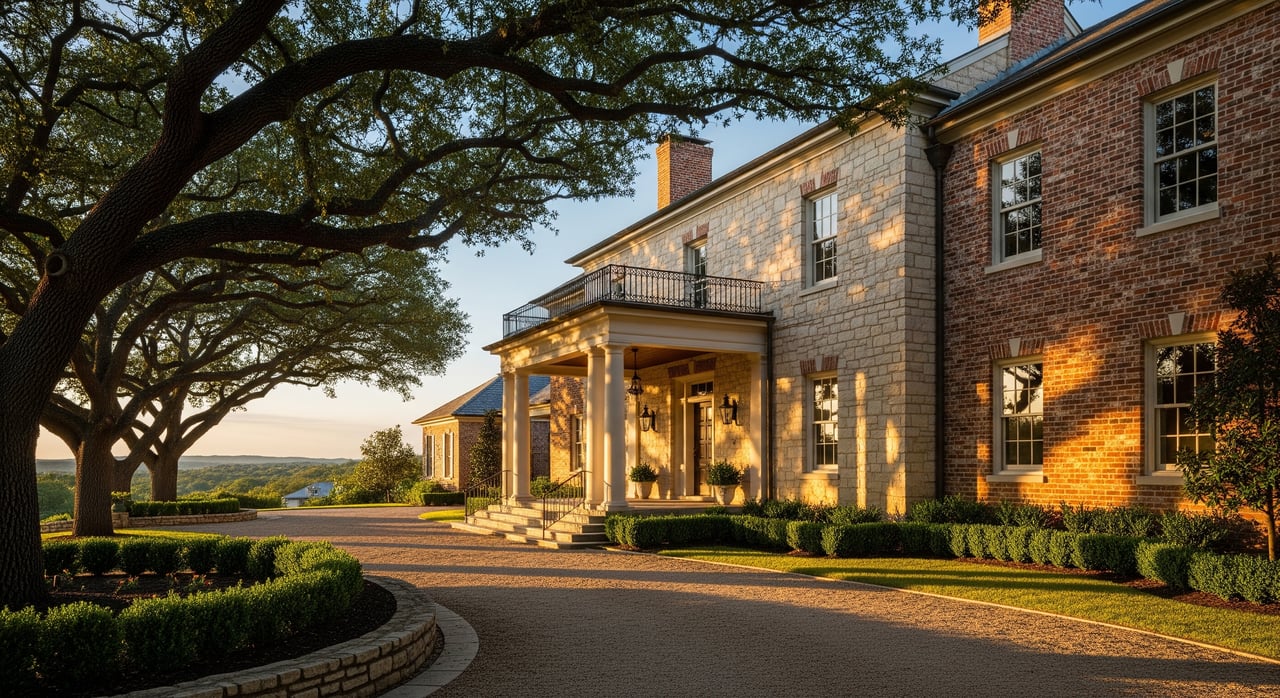
Thinking about selling in Pemberton Heights and wondering what really moves luxury buyers? You are not alone. The neighborhood’s mix of historic charm, sizable lots, and new-build showpieces creates a pricing puzzle. In this guide, you will learn what drives demand, how to read comps the right way, and how to set a smart timeline for the next 6 to 18 months. Let’s dive in.
Why buyers choose Pemberton Heights
Central location and lifestyle
You are minutes from downtown Austin, the University of Texas, and major job centers. That centrality, paired with neighborhood walkability to parks and local spots, is a top draw. Buyers value short commutes, easy access to culture, and a calm residential feel.
Lot size and outdoor living
Near-downtown lot scarcity drives pricing power. Larger, usable lots with privacy, mature trees, and planned outdoor living spaces often outperform similar homes with smaller or less functional yards. A well-sited pool, covered patio, and landscaping can shift a buyer from browsing to buying.
Architecture and pedigree
Pemberton Heights has two strong luxury lanes: beautifully restored historic-era homes and high-end contemporary new construction. Architectural pedigree and quality work matter. Buyers will pay for era-correct restorations or design-forward modern builds with custom details.
Turnkey systems and finishes
At the luxury level, move-in ready counts. Updated HVAC, plumbing, and electrical reduce friction. Professional-grade kitchens, spa-like primary suites, and energy-efficient or smart-home upgrades can justify meaningful premiums.
Access, walkability, and views
Time to downtown, proximity to key corridors like Mopac, and everyday walkability add real value. Unique views, orientation, and treetop or skyline vistas can elevate pricing when present.
Schools and boundaries
The neighborhood is within Austin ISD. Many family buyers weigh perceived school quality and current attendance boundaries in their decisions. Always verify assignments before marketing a specific school, as boundaries can change.
Privacy and secondary features
Private driveways or gated entries, attached garages, and flexible spaces like offices, gyms, wine rooms, or ADUs can sway a luxury purchase. Guest parking and elevator access in multilevel homes can also influence demand.
Scarcity and new builds
Infill scarcity boosts lot value and creates opportunities for assemblage or custom builds. Where teardowns are common, new construction can set top-end pricing but also raise the bar on finishes and lot use.
How to read luxury comps
Select true neighborhood comps
Start with geography. Stay within Pemberton Heights or adjacent blocks to capture micro-premiums. Use the most recent 6 to 12 months where possible. If inventory is thin, carefully include older sales when economic conditions have been relatively stable.
Match by product type: lot-size bucket, home function (beds, baths, garage, ADU), and architectural cohort. Separate historic-renovation comps from new-build or modern comps. Favor closed sales and filter out atypical situations like distressed or heavily discounted estate sales.
Extract the right data
For each comp, capture price, days on market, sale-to-list alignment, lot size, finished living square footage, year built and last major renovation, permit history, and any concessions. Study photos and descriptions for upgrades like pools, outdoor living, and finish levels. Many price differences live in features, not raw square feet.
Turn features into adjustments
Create buckets: lot size and usability, condition and systems, architecture and style, proximity and views, and unique amenities like pools, elevators, or ADUs. Rank each bucket as better, same, or worse compared to your home. Then convert that into a dollar or percent adjustment using the most similar local examples you can find.
Avoid over-relying on price per square foot. In this pocket, a smaller home with a superior lot or turn-key interior can out-price a larger but less compelling property.
Pitfalls to avoid
- Mixing historic and modern comps without segmenting by cohort.
- Ignoring lot usability, trees, and landscaping when comparing price per square foot.
- Leaning on automated public estimates that often miss luxury nuances.
- Overlooking off-market or pocket activity that may influence perceived supply.
Pricing and timing strategy
A 6–18 month preparation timeline
- 12–18 months: Audit roof, HVAC, plumbing, and electrical. Price and plan any needed replacements. Address water intrusion or structural items first.
- 9–12 months: Decide on scope. Full kitchen or primary suite updates can have strong appeal, but confirm that the expected uplift fits neighborhood ceilings.
- 6 months: Complete landscape and curb appeal work. Finalize staging. Consider a pre-listing inspection to reduce surprises. Prepare floor plans and professional photography.
- 3 months: Align with an experienced central-Austin luxury agent. Review fresh comps, refine pricing, and assemble marketing assets including drone and neighborhood narratives.
Renovate or price to market
Invest only when the projected price increase and marketability outweigh cost and time. If budget is limited, focus on high-impact moves: decluttering, staging, neutral paint, modern lighting, landscaping, and modest kitchen-bath refreshes. In luxury, buyers often prefer move-in ready, but hot markets may reward strong condition pricing even without major updates.
Listing approach that fits your goal
- Price banding: Place your list price to capture the right buyer search bands.
- Competition strategy: Consider a value-forward list to generate multiple interests, or position at the top of the range when your home is truly differentiated.
- Messaging: Lead with unique selling points. Highlight lot size, tree canopy, proximity metrics, school assignments, recent renovations, and any architectural pedigree.
Luxury transaction considerations
Expect detailed inspections and repair negotiations. Some buyers will bring architects or builders and request conditional timelines for feasibility studies. Privacy can matter at this level, so discuss whether a pocket or Private Exclusive strategy fits your situation before going fully public.
Timing and seasonality
Spring and early summer often see more listings, but luxury patterns can vary. Interest rates and local employment news may matter more than the calendar. Keep your launch date flexible based on current comps and buyer activity.
Action checklist for Pemberton Heights sellers
- Order a neighborhood comp report focused on the last 6–12 months, plus current actives and pendings.
- Pull parcel and permit data to confirm lot size, year built, and major improvements.
- Schedule a pre-listing inspection and get quotes for any big-ticket items.
- Define your target buyer profile to guide upgrades and staging.
- Choose a 6–12 or 12–18 month plan and align projects to that schedule.
Work with a team built for premium listings
You deserve boutique-level attention paired with enterprise-grade tools. With a hospitality-rooted service model, professional presentation, and access to Compass programs like Concierge, Private Exclusives, and bridge financing, our team is structured to maximize results and minimize stress. When you are ready to design a strategy for your Pemberton Heights sale, connect with VIBE Real Estate Group for a custom plan.
FAQs
How much does lot size impact price in Pemberton Heights?
- Usable lot area, privacy, and outdoor amenities can create substantial premiums, often outweighing simple interior square-foot comparisons.
Should I renovate before selling a luxury home here?
- Consider projects where the expected price uplift exceeds cost and time; high-quality kitchen and primary suite updates, plus cosmetic refreshes and staging, tend to resonate with buyers.
How should I compare historic homes to modern builds?
- Segment comps into cohorts and analyze each separately; do not mix restored historic properties with new-construction sales when setting price.
Are price-per-square-foot metrics reliable for luxury?
- They are a starting point only; always adjust for lot quality, condition, architecture, and amenities that drive real buyer decisions.
Do schools influence buyer demand in Pemberton Heights?
- Yes, many family buyers consider current Austin ISD boundaries and perceived school quality; verify assignments before marketing a specific school.